

Creating Transurban’s self-service experience
About Transurban
Established in Australia 1996, Transurban is one of the worlds leading tool-road developers and operators. It operates 22 tool roads across Melbourne, Sydney and Brisbane and the Greater Washington area in the United States and Montreal in Canada.
Project
Overview
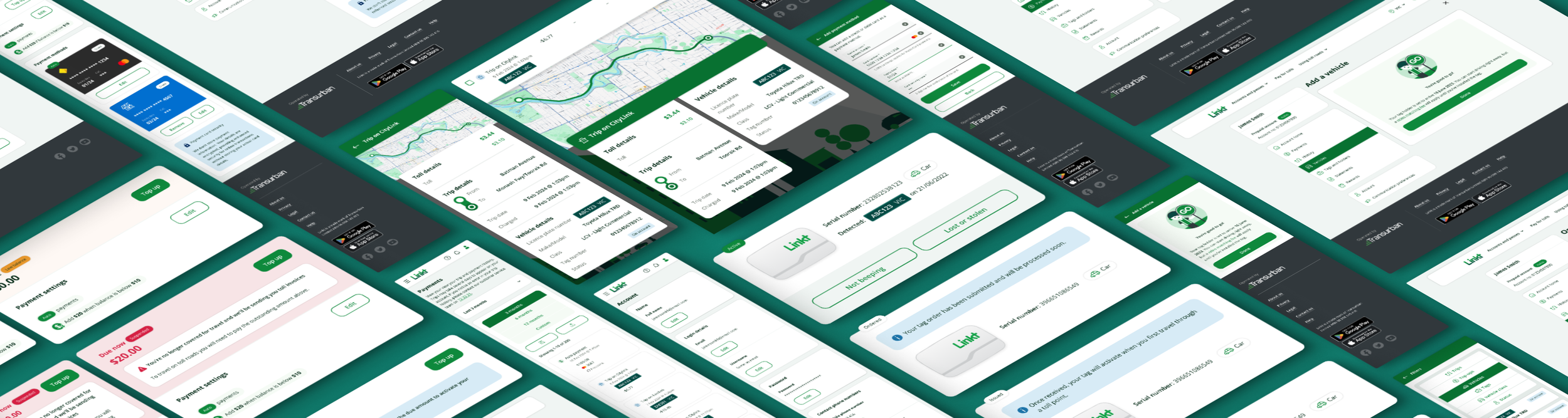
My Linkt Online (MyLO) is Transurban's self service platform for its toll road users across Melbourne, facilitating over 2.5 million trips everyday. Kicking off in 2023, the MyLO self-service platform at that stage had been live for over 6+ years and had to scale along with the growing expectations of its users, becoming a disjointed and fragmented experience. Alongside this, the platform’s reliability and the performance had degraded exponentially and was sorely due for an uplift from both a design and technology perspective.
Old MyLO screens - Home and History (top row) - Vehicles and Sign up (middle row) - Tags (bottom row)
My role: Product Design Lead
Initially, I was brought on to create solutions for MyLO’s BAU pipeline of work for a 3 month engagement. As that initial period progressed, I was able to demonstrate the value of a iterative design uplift feature by feature. Eventually, this evolved into not only the redesign of the MyLO self-service platform, but also the creation of MyLO’s first ever design system (MyLOv3).
I led the end to end research, design, execution and management of the MyLO Redesign and MyLOv3 design system, from its initial creation through to initial launch.
Responsibilities included:
• End to end product strategy and design.
• Creation and management of the responsive web design system.
• Managing communication between engineers, legal and business stakeholders across Australia.
• Translating business needs into actionable design plans.
• Research recruitment and facilitation.
• Facilitation of brainstorming/ideation workshops, design reviews and presentations.
Tools used
Figma, Maze, Google Analytics, Askable
Timeline
May 2023 – February 2025

3 to 18 months
Initially, I was brought on to create solutions for MyLO’s BAU pipeline of work for a 3 month engagement. As that initial period progressed, I was able to demonstrate the value of a iterative design uplift feature by feature. Eventually, this evolved into not only the redesign of the MyLO self-service platform, but also the creation of MyLO’s first ever design system (MyLOv3).

The challenge
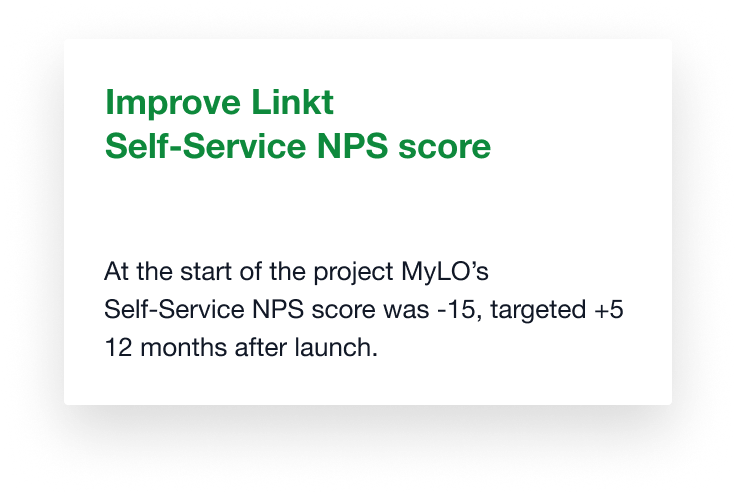

Design philosophy
Use the power of design to make MyLO as simple as possible for users
Initially, I was brought on to create solutions for MyLO’s BAU pipeline of work for a 3 month engagement. As that initial period progressed, I was able to demonstrate the value of a iterative design uplift feature by feature. Eventually, this evolved into not only the redesign of the MyLO self-service platform, but also the creation of MyLO’s first ever design system (MyLOv3).

Design process
I employed a 4-stage framework:
A changing and evolving future
As the redesign of MyLO and creation of the MyLO Design System ran in parallel, I didn’t have the luxury of redesigning the entire platform at once. The only way for us to create the new MyLO platform was one feature/page(s) at a time, I had to have one eye on the now and one eye on the future. Essentially, creating a solution, testing this with users, evolving to next revision and then repeating when feasible. This meant keeping in close communication with our team (development team/product/brand/senior executive team, etc) and the wider design team to share the learnings as we progressed through the proces
1 Empathise
Researched, analysed and documented pain-points
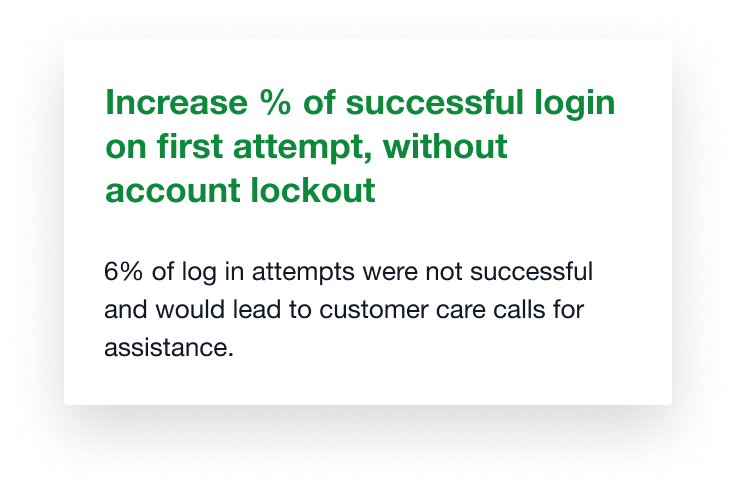
From the outset, we had a wealth of historical user feedback that had been captured by Transurban frontline staff. Categorising this feedback gave me a good high-level sense of the pain points our users had encountered over the previous 12 month period, the qualitative data. From a quantitative standpoint, diving into analytics and reporting dashboards gave me an in-depth understanding of our users as they interacted and completed various tasks through MyLO.
Listening to customer calls & traffic management
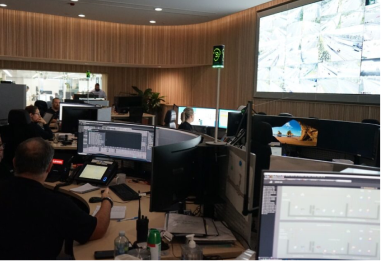
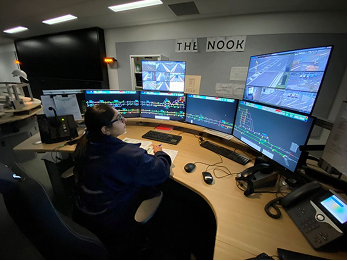
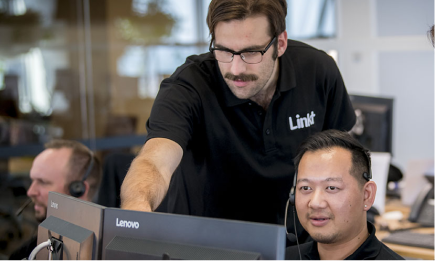
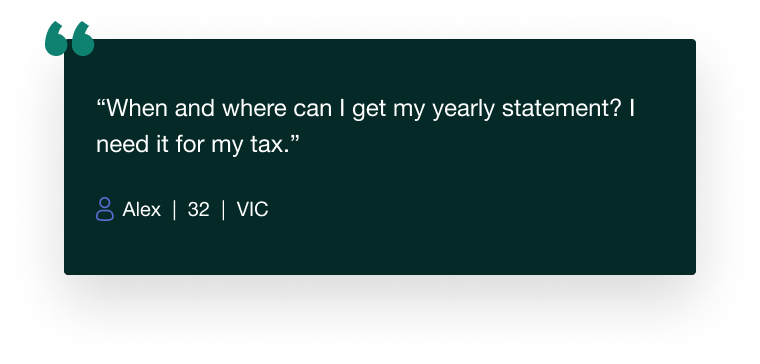
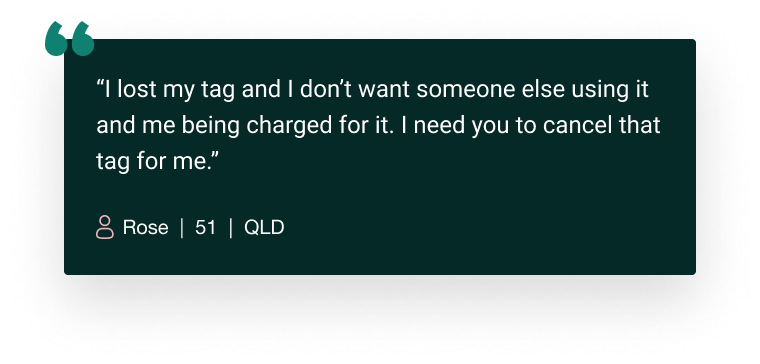
To get an in-depth understanding of our users, I booked in six days (over three weeks) where I took the opportunity to sit with Transurban frontline staff and listen to customer care calls, letting me understand some of the specific nuances of user pain-points. Over various days and time blocks, I had individuals from our cross-functional team join these calls to help them harness a greater level of understanding of our user’s pain points and needs. Additionally, I observed how Transurban’s Traffic Management Control Room operated and managed road usage over a number of days.

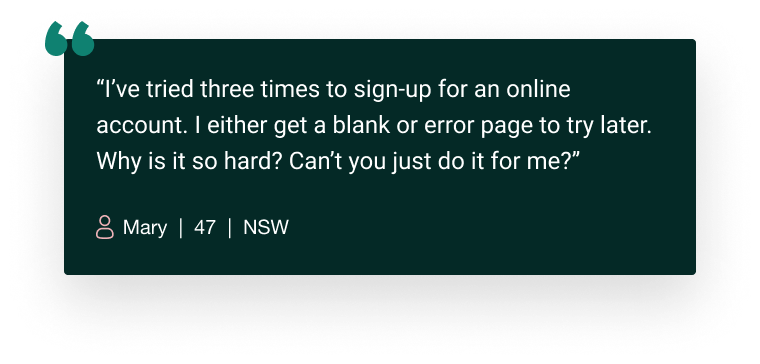
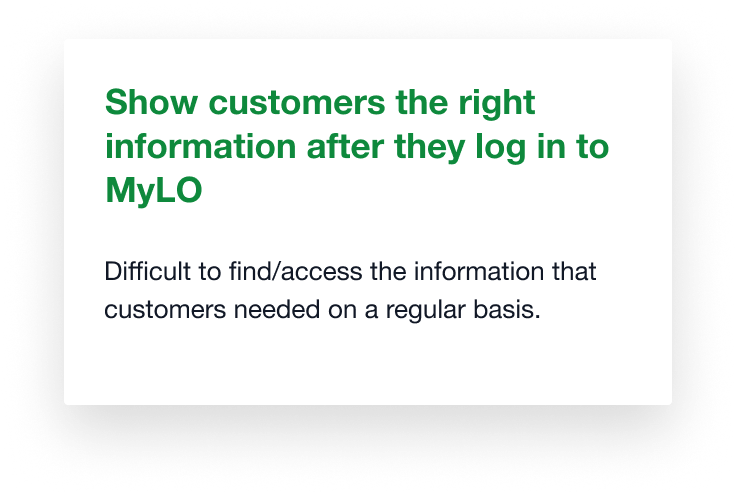
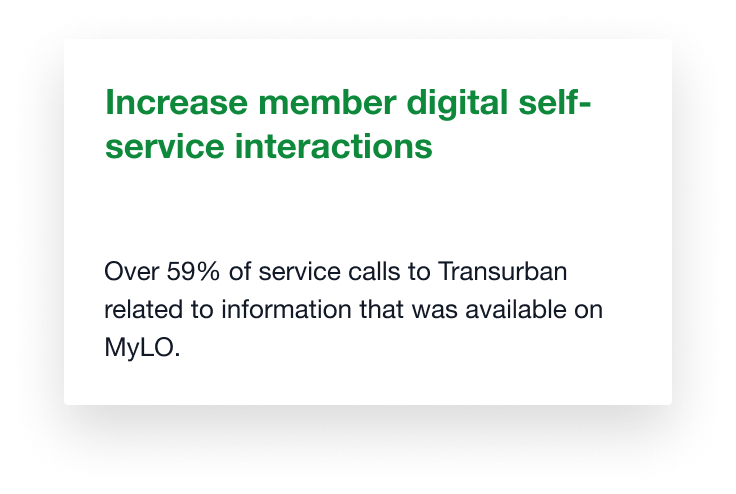
User pain-points from customer care calls
2 Define
Competitive landscape and best practice
I completed a heuristic evaluation, benchmarking against our direct and indirect competitors, identifying where we sat in the market, and what features would deliver the most value for our users and Transurban. It was great to do this early on to see how this aligned with the Product teams assumptions. Then looking into best practice patterns for various screens/flows through MyLO, i.e. looking at PayPal for payment flows and Energy Australia’s authenticated dashboard/home.
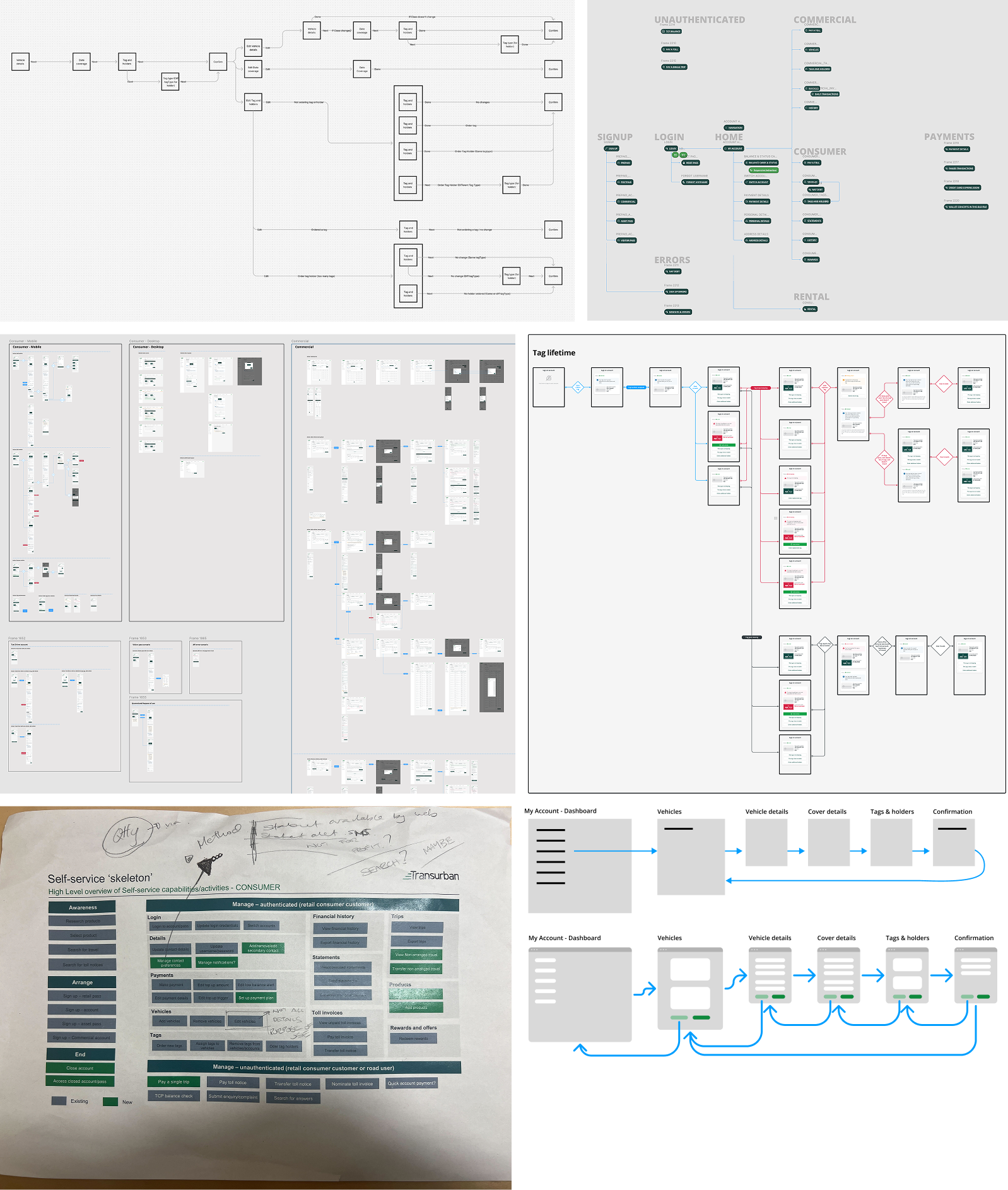
Analysis and user flows
It was important to break down our current user flows (alongside usage data) and analyse how our new optimised flows would solve for member and business needs, i.e. ease of information/feature discovery. It was important in this step to also look to validate our assumptions and hypothesis with both customers and technology to ensure viability and feasibility.
3 Ideate
Desirability vs Feasibility vs Viability
I organised bi-weekly stand-ups with MyLO’s Product Owner and Business Analyst to review in progress desired work and iterate on these at speed. Fortnightly reviews/walkthroughs with the development team allowed us to ensure proposed solutions were also feasible and viable.
Visualising ideas with Transurban
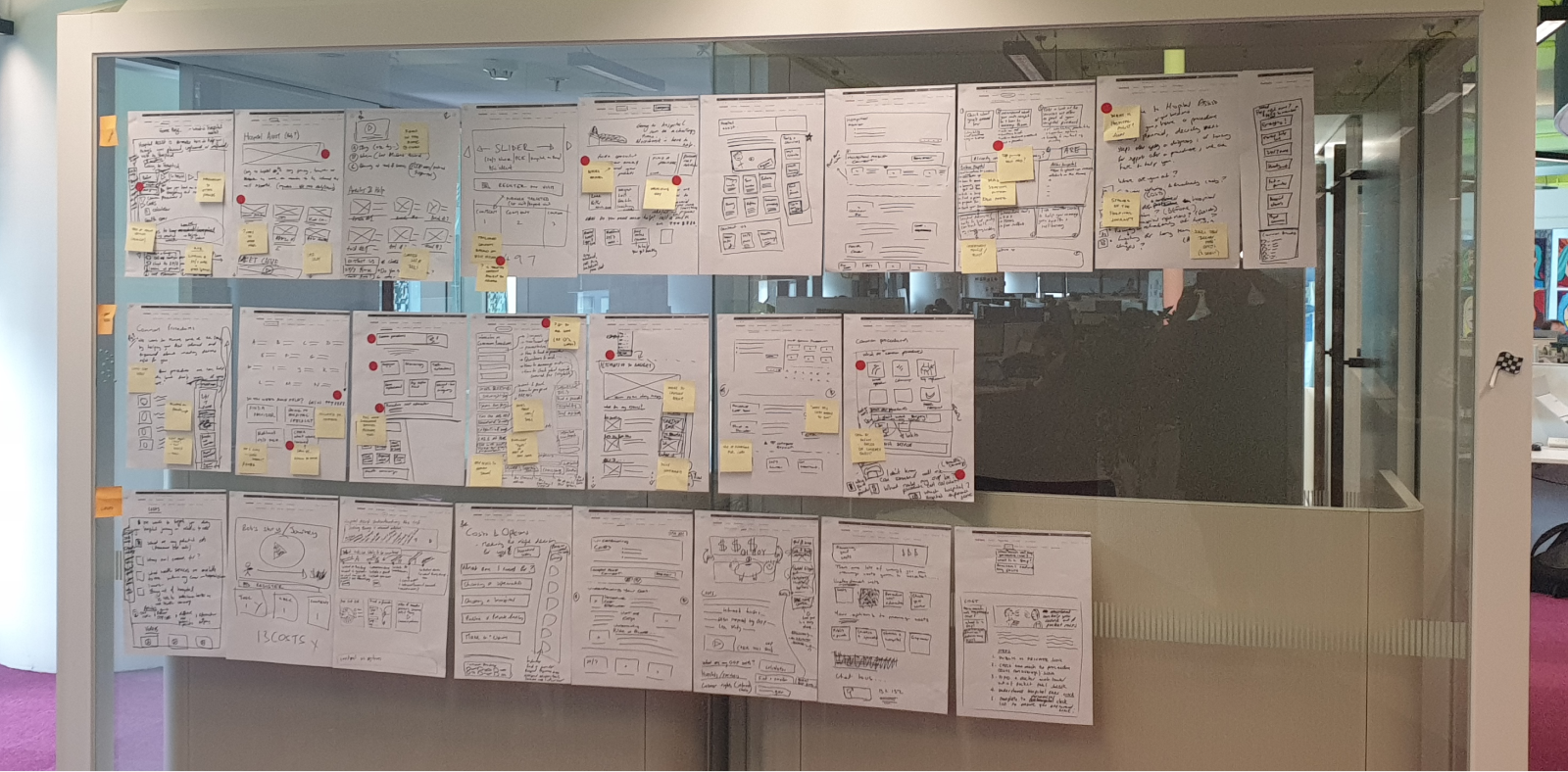
Before I could get into proposing solutions, it was important to get the teams ideas onto paper/whiteboard. Everyone had so many ideas and these ideation sessions were used to quickly generate/communicate along with the wider business teams. These sessions helped to keep everyone focused on solving for the needs of the user so that they would not be distracted by ‘pretty pictures’.
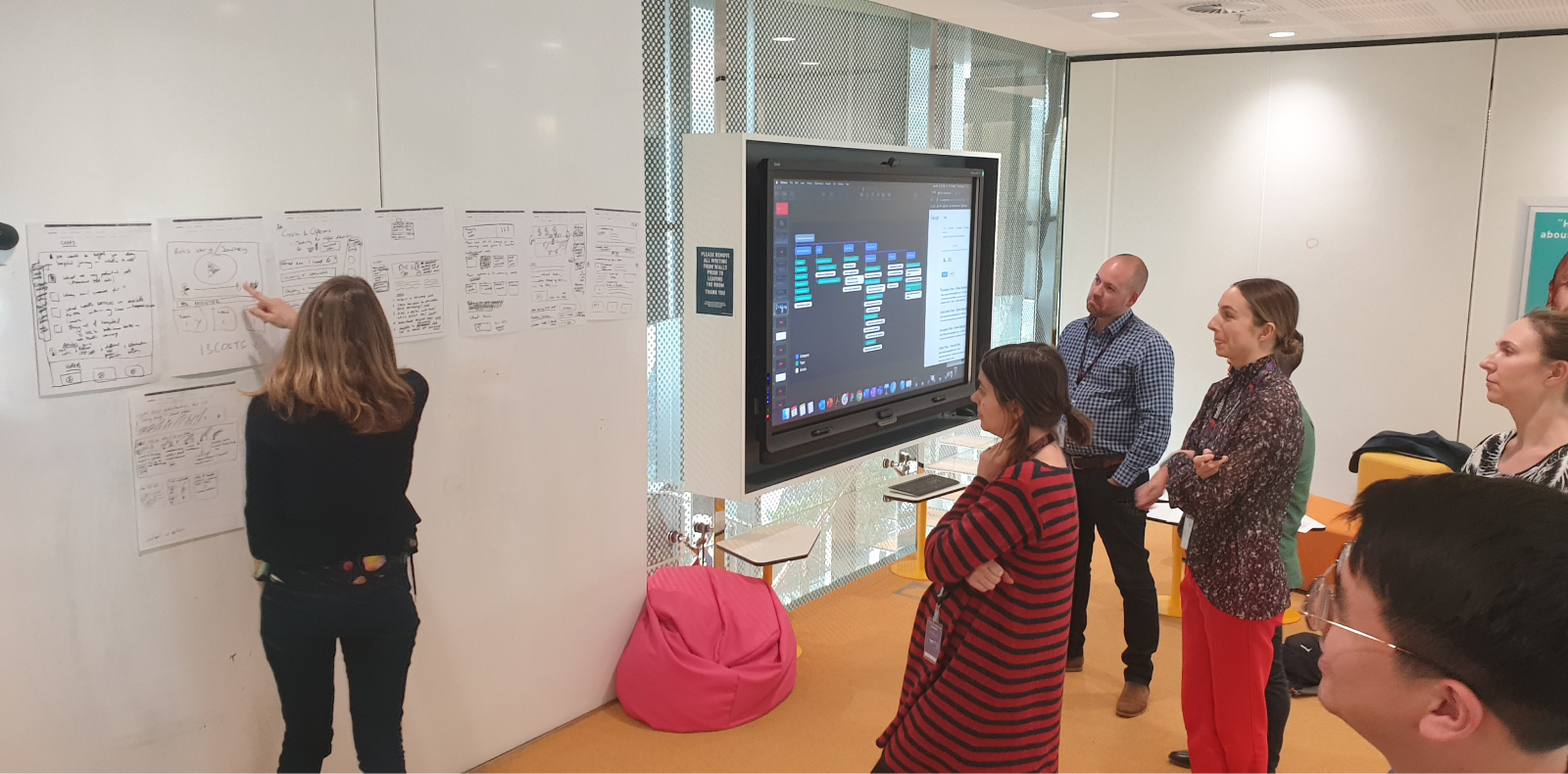
Setup and facilitated collaborative ideation workshops with various business units (Digital, Technology, CX, UX/Product design and more) to visualise ideas through paper prototypes.
Designing with users
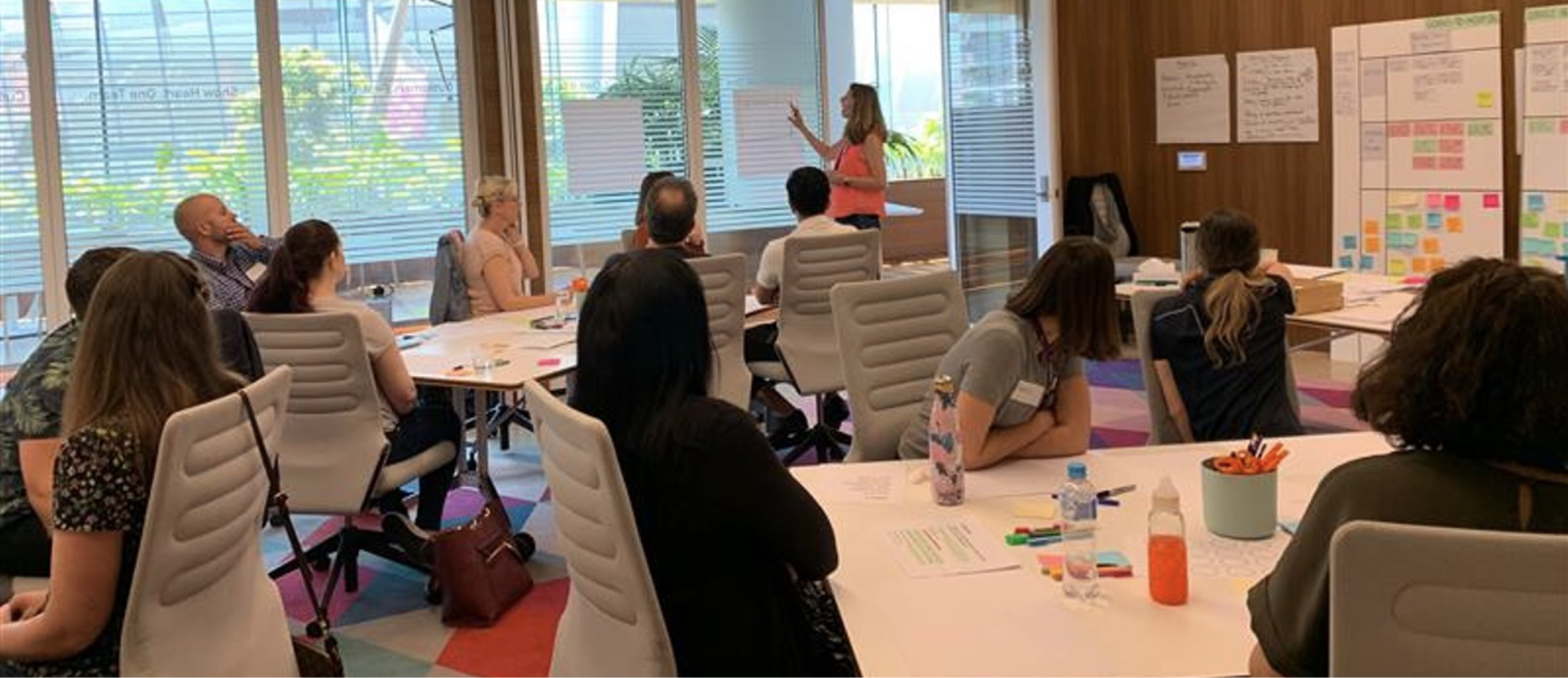
Partnering with the Customer Experience (CX) team, I set up and facilitated two full-day design workshops with ~40 Transurban customers who were active toll road users. We split them into groups over these two days where they completed different activities, including sketching what their ultimate Transurban experience looked like, card sorting (to help with navigation structure), tree-jacking to test out design and business concepts for navigation.
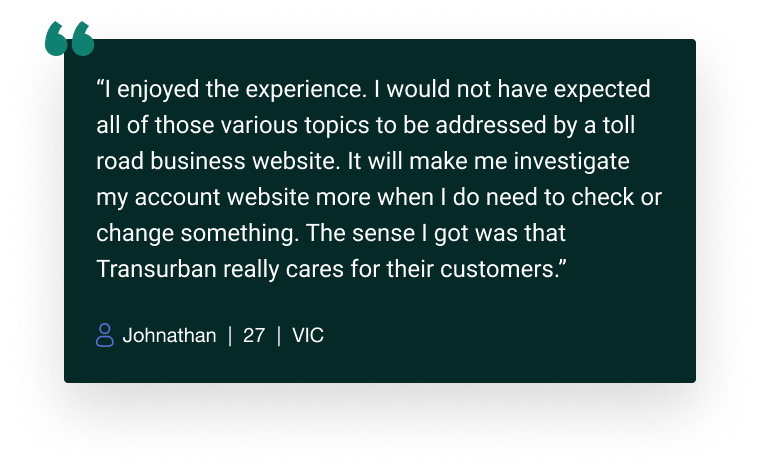
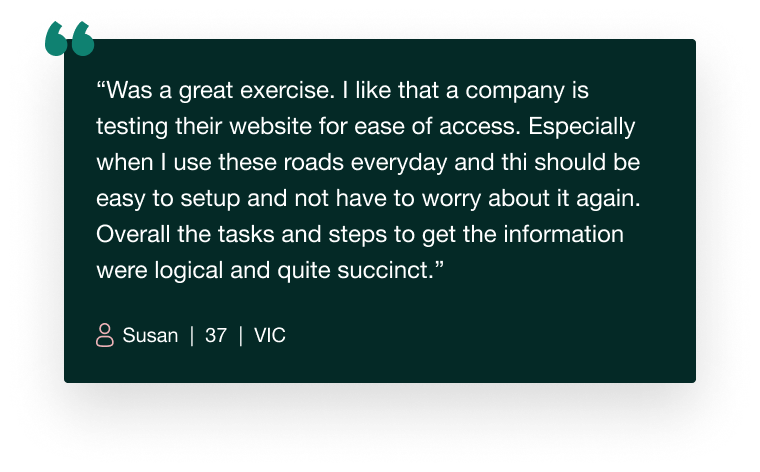
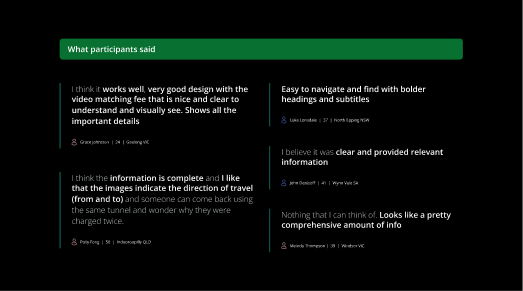
User feedback from workshops
Reframing the problem with business and user concepts
Design wall with all the unique concepts visualised by users and the wider business team. This was used as a launching pad to help consolidate all the different ideas into one set of wireframes that would be evaluated with users in testing.
4 Prototype, test and repeat
Validating and refining concepts
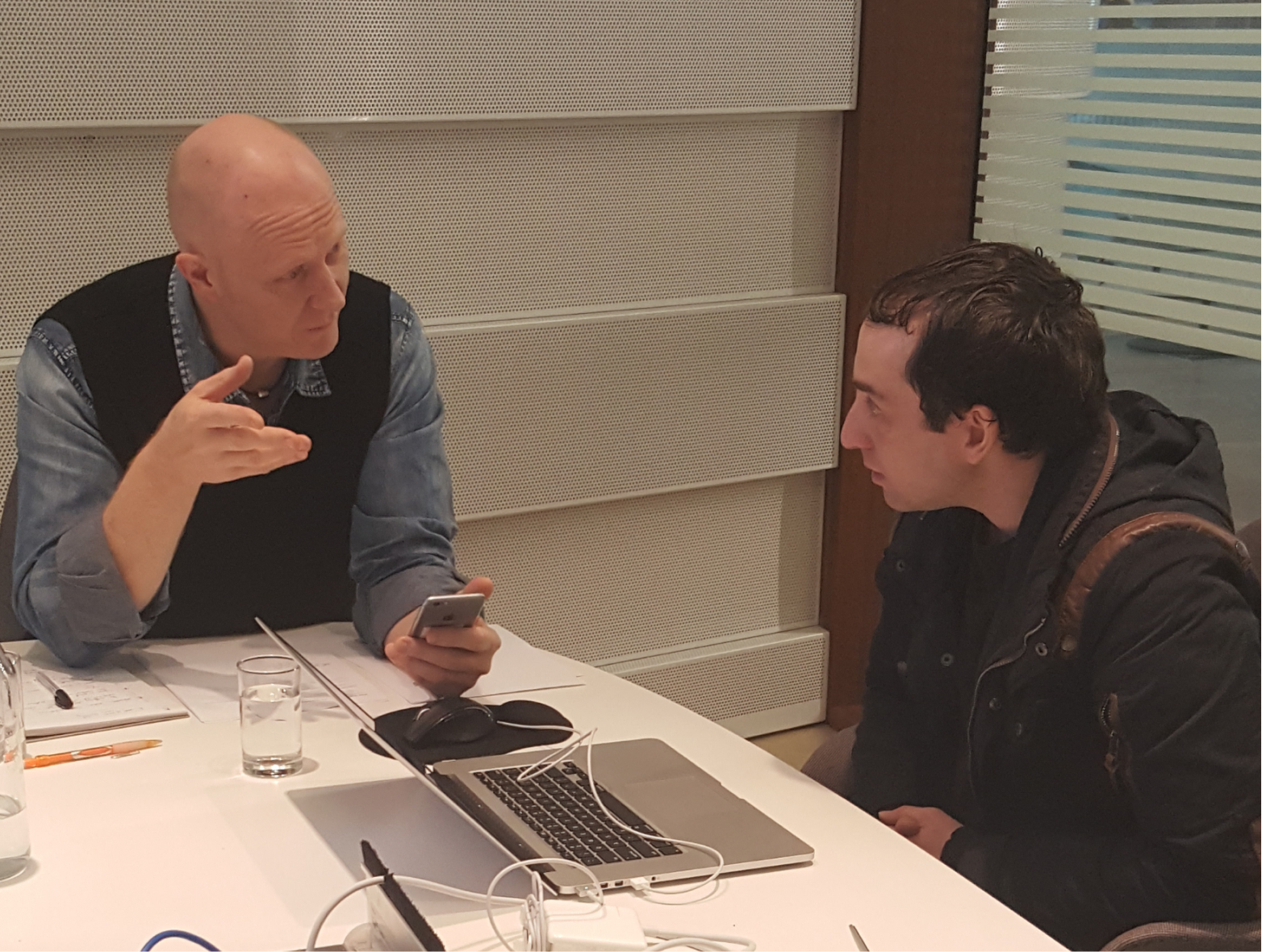
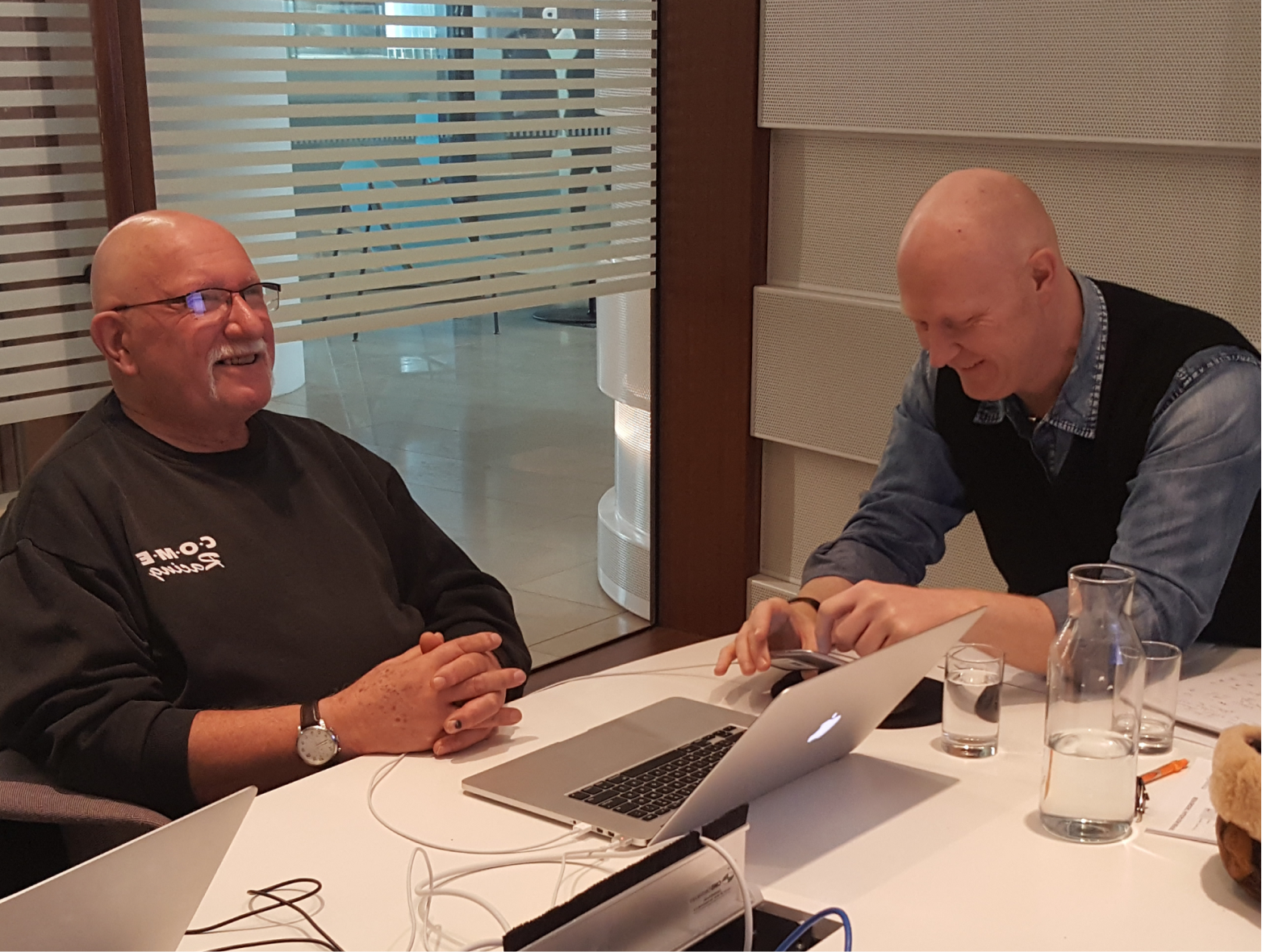
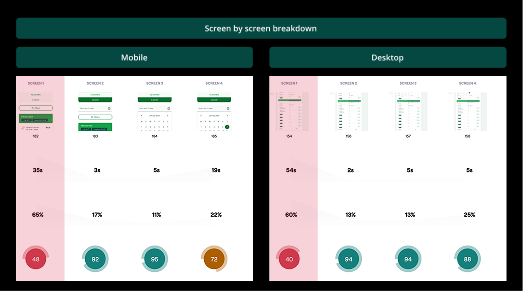
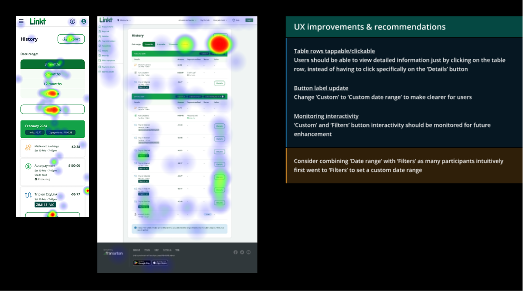
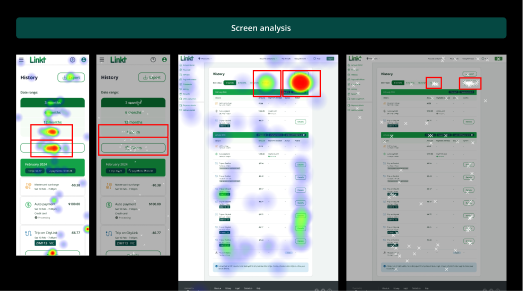
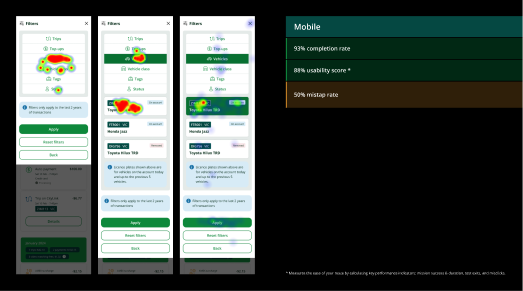
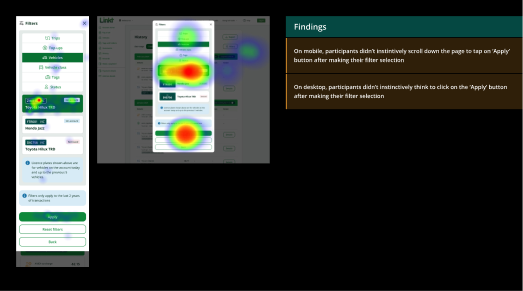
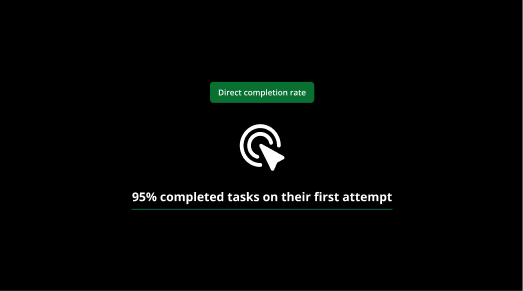
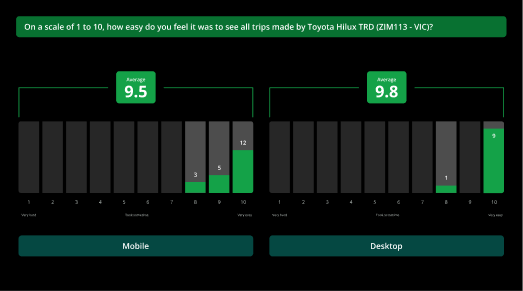
To help inform design and business concepts/decisions, I conducted a series of usability studies with active and non-active toll road users. These included qualitative usability studies, where they were asked to complete a series of tasks based on prototyped solutions. Between each round of testing, prototypes were updated and put back in front of customers to foster feedback for further refinement.
Additionally, a quantitative study was run with a separate group of 50 online customers, where they were asked to complete a card sorting and tree-jacking exercise to help us further refine our navigation structure and naming conventions.
Used a combination of lo-fidelity and hi-fidelity concepts to evaluate concepts with customers.

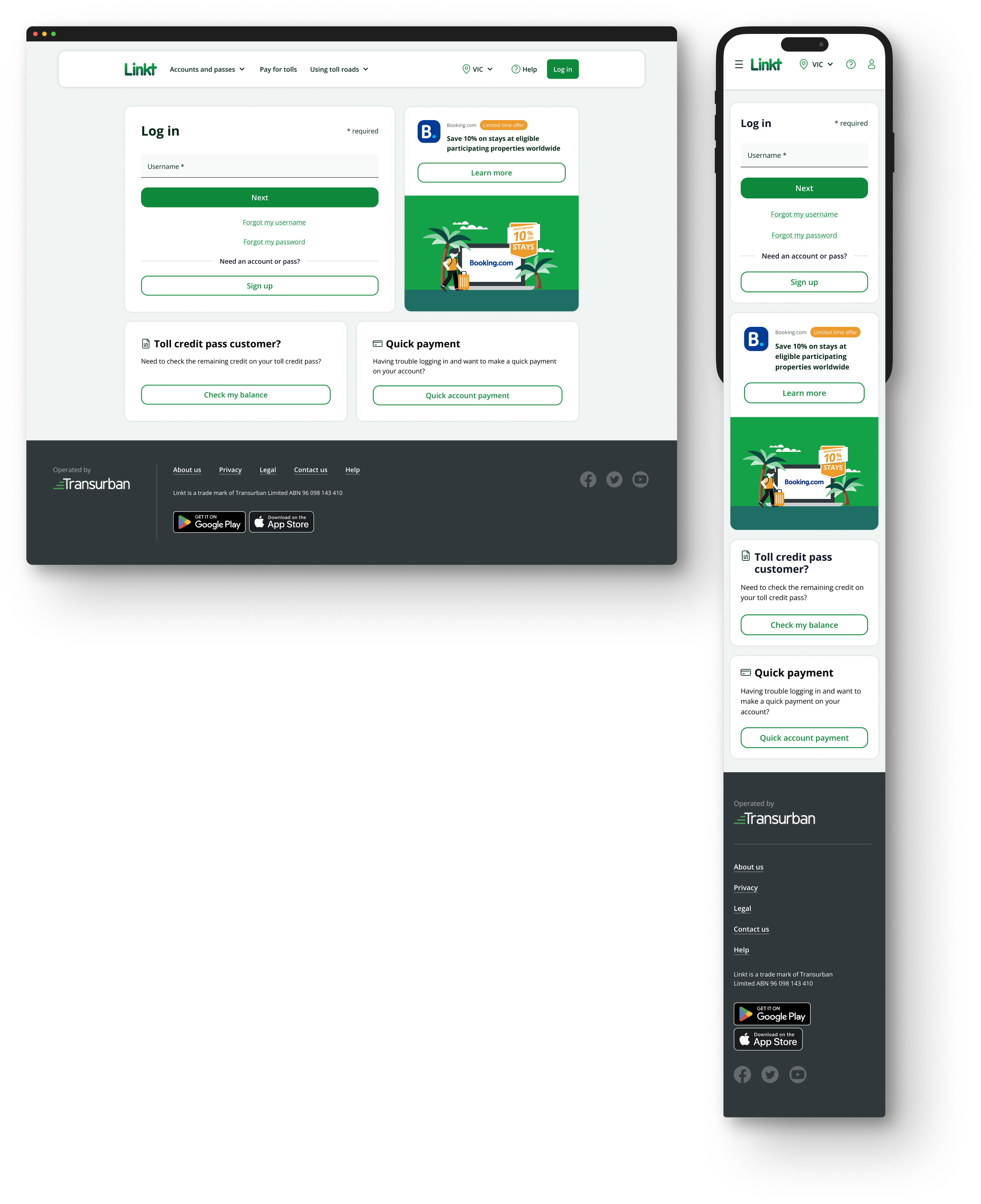
Introducing the new My Linkt Online (MyLO)

Breaking it down

Account home
View of Account home once a user has logged into My Linkt Online.
Breaking it down
Account selection
Single and multiple account selection variations. This functionality is especially important for Commercial account holders that would have hundreds of accounts for their fleet of company vehicles, for example Transport and Logistic companies.
Notifications
Ability for user to be notified of important events for their selected account.
Balance cards
These play an important role in informing the user of their account balance (Pre-paid accounts), payment methods and setup (bank account, credit card, card statuses and more).

Task oriented pages
Within MyLO there are numerous pages that users need for task-oriented scenarios. For example, checking/setting up payment methods, adding a vehicle for travel, ordering or managing their travel tags.
Breaking it down
Sign-up
There are a number of signup flows where the user can sign-up for a pre-paid, post-paid, commercial or a pass account. Setting up coverage periods, payment methods and ordering tags and holders.
Payments
The payments page allows users to view and manage payment settings, i.e. payment methods, direct debit or manual payments.
History
The history page is a visual log of the trips, charges and account changes made to the selected account.
Vehicles
The vehicles page allows the user to view and manage the vehicles on their account.
Tags and holders
These pages let users manage and order the tags and holders for the account and vehicles, including reporting a faulty or stolen tag(s).
Account
The account page lets users manage their personal and account information, such as login details, contact numbers, address and identification pin.
Communication preferences

The impact
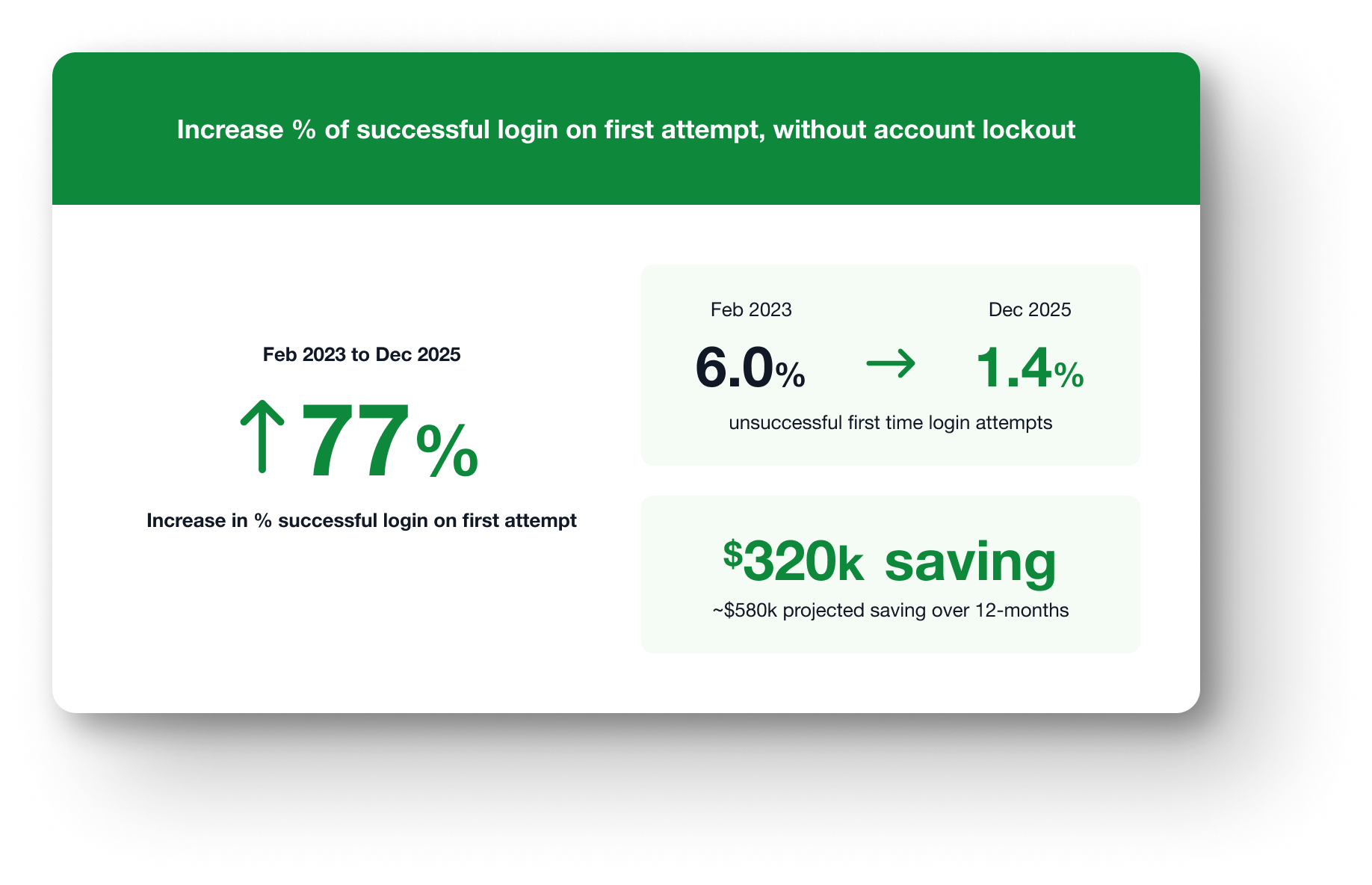
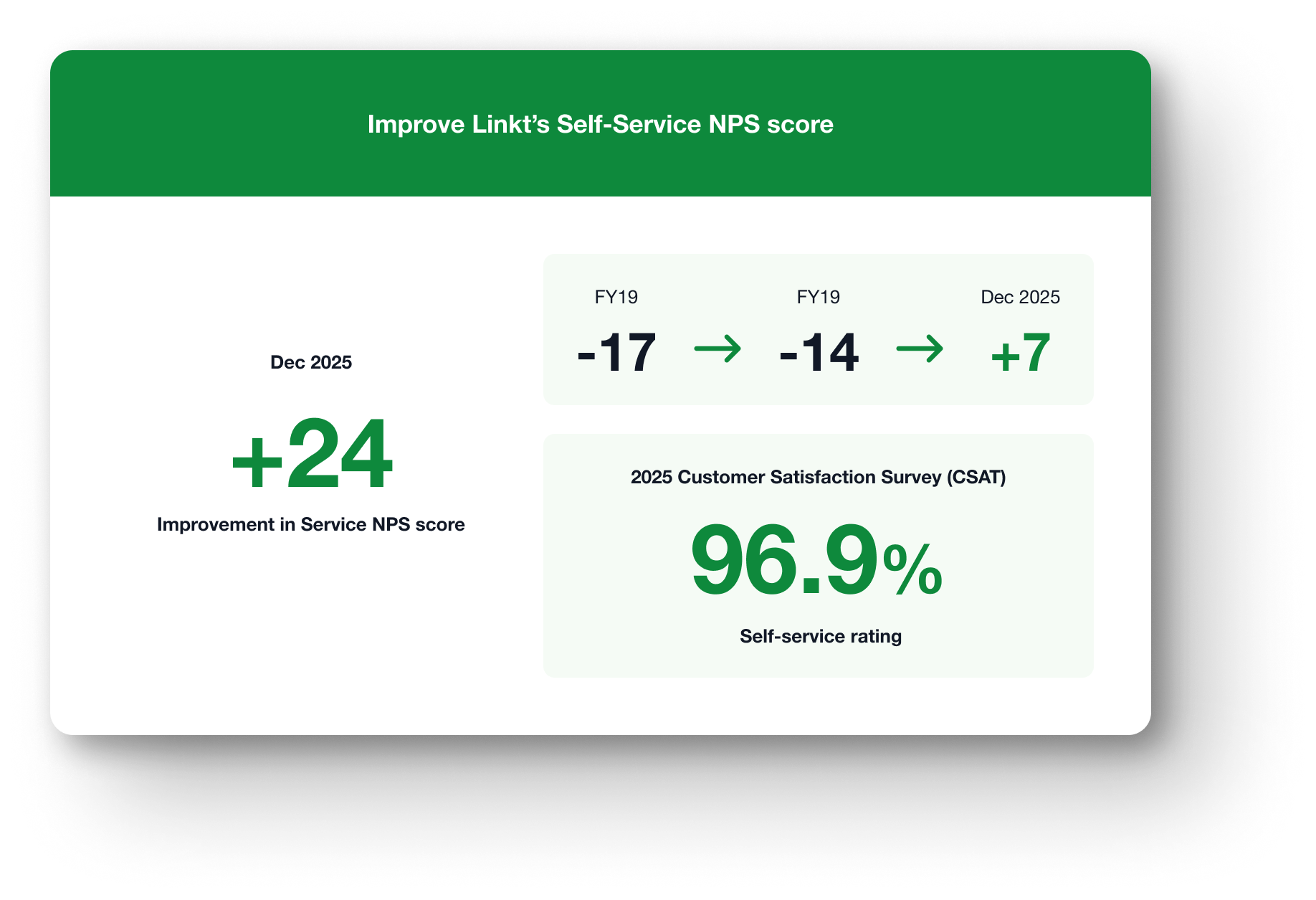
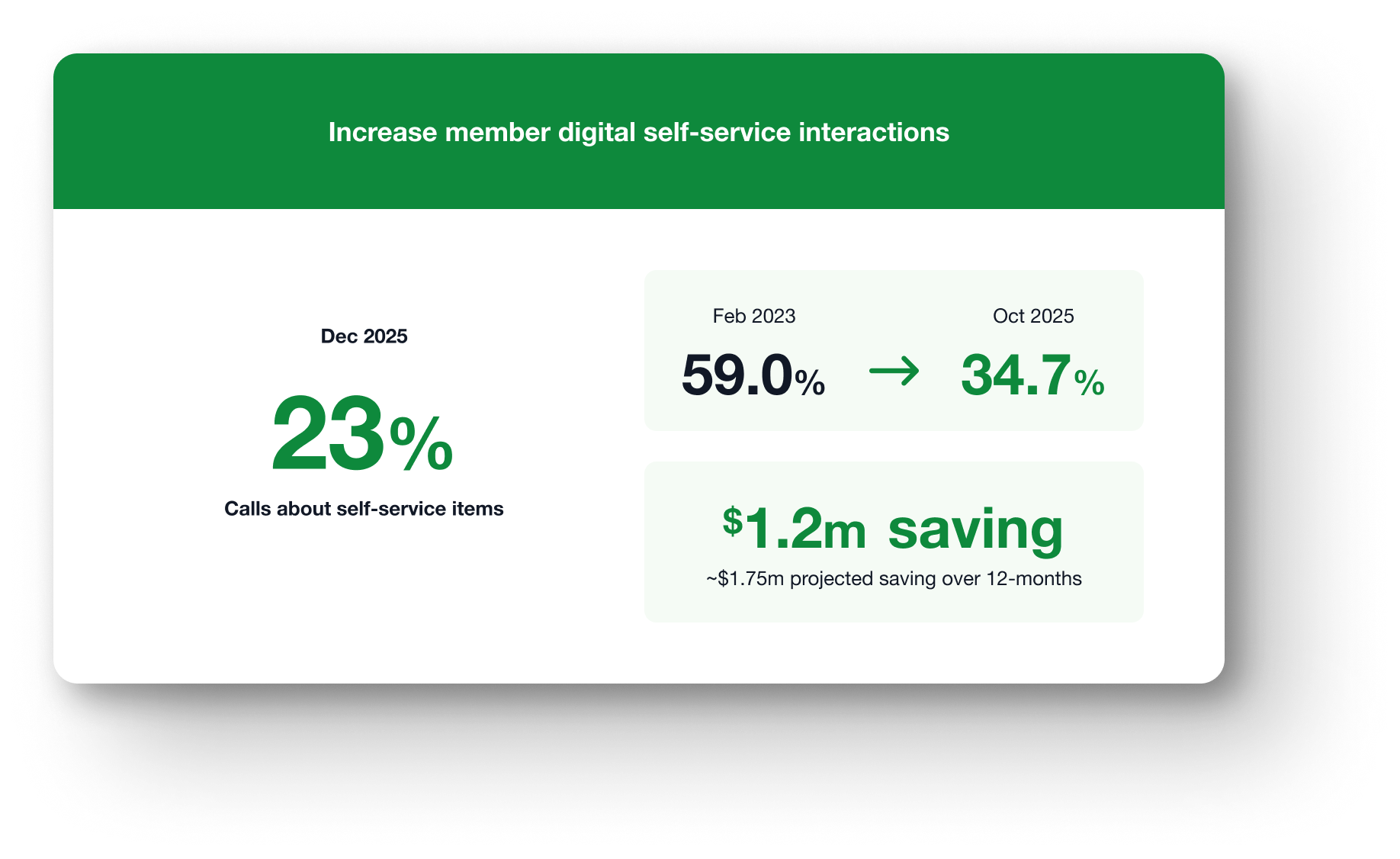
Positive results so far
The uplift has had a positive impact both for the users and the business. Transurban now has modern experience with the ability to update content (re-usable components) without the need for scheduled releases and implementing code freezes.
High-level information only to comply with the Transurban NDA.
Key learnings and takeaways
The future
While much of the uplift has been designed and validated through user testing, a large part of the uplift is yet to be developed. As this is prioritised and developed the true impact of the uplift will become evident and areas for further improvement will need to analysed.
Our users
Knowing that MyLO’s users ranged from 18 to 65+ years of age, a key aspect was to understand our user’s pain-points vs Transurban’s assumptions. From a quantitative standpoint, diving into analytics data, reporting dashboards and leveraging product stakeholder knowledge gave me an in-depth understanding of our users through various touch-points and tasks throughout MyLO. From this baseline, I was able to negotiate time and budget to understand our users from a qualitative standpoint (listening to service calls, workshops with users and numerous rounds of user testing), which proved crucial to validating potential solutions.
Business stakeholders
Building strong/trusting relationships with stakeholders, from various parts of the business (digital/CX, frontline, etc), was crucial not only for the start of the uplift, but also for the continual incremental improvement of the platform.
Development team
Speaking with our development team regularly became more and more important as the solutions developed. Having a vision of where the uplift would progress was important as this allowed me to build empathy with the development team, and have code developed in such a way that it would allow for more efficient uplift of components in future iterations saving the business precious time and money.
Continuous improvement
MyLO from its initial release to years later is a living entity. It will never be 100% perfect as the business and user needs change over the time, the important point to remember here is that it will change with the needs of the business and users.